
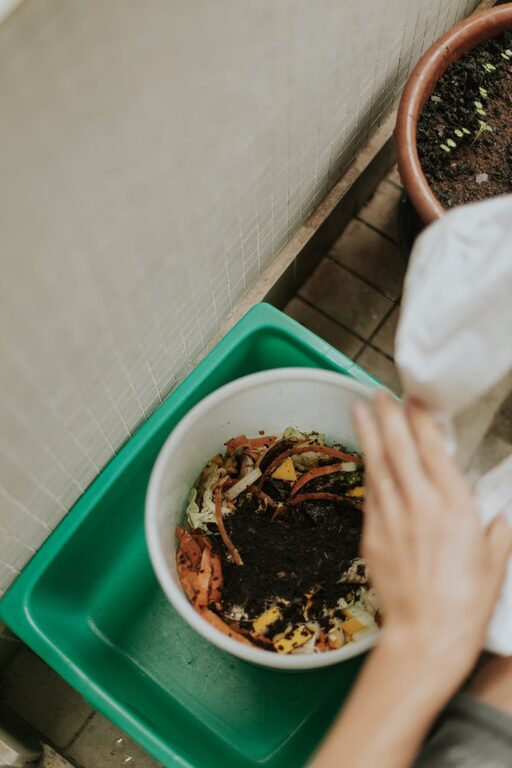
Composting at home is a fantastic way to turn kitchen scraps and yard waste into nutrient-rich soil that benefits your garden. It’s an eco-friendly practice that helps reduce household waste while supporting healthy plant growth. If you’re new to composting, this guide will walk you through simple tips to get started successfully.
What is Composting?
Composting is the natural process of breaking down organic materials like food scraps, leaves, and grass clippings into a rich, dark soil amendment called compost. This process is carried out by microorganisms and small critters such as worms and bacteria, which transform waste into valuable nutrients for your plants.
Why Compost at Home?
– Reduce Waste: Composting keeps organic waste out of landfills, reducing methane emissions.
– Improve Soil: Compost adds nutrients and improves soil structure, helping plants grow strong.
– Save Money: Healthy soil reduces the need for chemical fertilizers.
– Eco-Friendly: Composting supports sustainable gardening and reduces your carbon footprint.
Getting Started: Essential Tips for Beginners
1. Choose a Composting Method
There are several ways to compost at home. Pick one that fits your space and lifestyle.
– Compost Bin: A container designed to hold compost materials in one place. Great for small yards.
– Compost Pile: An open heap suitable for larger spaces.
– Worm Composting (Vermiculture): Uses worms to break down food scraps quickly; ideal for indoor or small space composting.
2. Pick the Right Spot
Place your compost bin or pile in a convenient, well-drained spot outdoors. Ideally, it should receive some sunlight but also be protected from extreme conditions.
3. Understand What to Compost
Good compost requires a balance of “greens” and “browns”:
– Greens: Nitrogen-rich materials like fruit and vegetable scraps, coffee grounds, fresh grass clippings.
– Browns: Carbon-rich materials such as dry leaves, paper, cardboard, and small wood chips.
Avoid composting meat, dairy, oily foods, and pet waste as they can attract pests and create odors.
4. Maintain the Right Balance
Generally, aim for a mix of about 2-3 parts browns to 1 part greens. Too many greens can make your compost wet and smelly, while too many browns slow down the decomposition process.
5. Keep it Moist and Aerated
– Moisture: Your compost should be as damp as a wrung-out sponge. Add water if it feels dry, or add more browns if it’s too wet.
– Aeration: Turn your compost every 1-2 weeks using a garden fork or compost aerator. This introduces oxygen, speeding up decomposition and minimizing odors.
Common Challenges and Solutions
Smelly Compost
Usually caused by too many greens or lack of air. Add more browns and turn the pile to introduce oxygen.
Slow Decomposition
May be due to lack of moisture, oxygen, or proper balance. Adjust your mix and keep turning regularly.
Pests
Use a covered bin with a secure lid and avoid adding meat or oily foods. Bury food scraps under browns to deter animals.
Using Your Finished Compost
After a few months (usually 3-6), your compost will look dark and crumbly with an earthy smell. Use it as:
– Mulch around plants to retain moisture and suppress weeds
– An additive mixed into garden beds to improve soil fertility
– Potting soil component for container plants and seedlings
Additional Tips for Success
– Start small: Composting is a learning process. Begin with a manageable amount of waste.
– Chop materials: Smaller pieces break down faster.
– Use a compost thermometer if you want: It helps monitor the temperature, though it’s not essential.
– Be patient: Composting takes time, but the benefits are worth it.
Conclusion
Composting at home is a rewarding and environmentally friendly way to manage kitchen and yard waste while boosting your garden’s health. By selecting the right method, maintaining a good balance of materials, and caring for your compost regularly, you’ll be well on your way to producing rich compost that supports sustainable gardening. Start today and watch your waste transform into garden gold!