
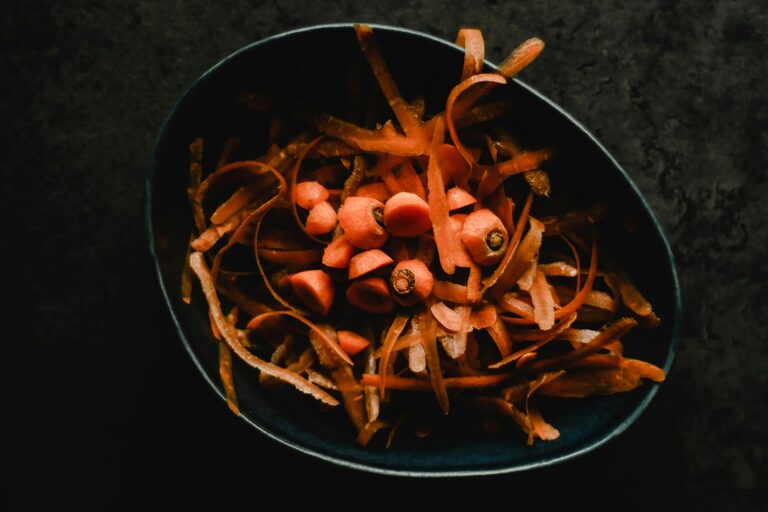
Reducing food waste at home is not only a smart way to save money but also a meaningful step toward protecting our environment. Many households throw away significant amounts of edible food each week, often due to poor planning or lack of awareness. Fortunately, there are plenty of practical strategies that anyone can adopt to minimize waste and make the most of the groceries they buy. In this post, we’ll explore simple yet effective ways to reduce food waste at home, organized into easy-to-follow sections.
Understanding the Impact of Food Waste
Before diving into tips, it’s helpful to understand why reducing food waste matters. When food is wasted, all the resources used to produce, transport, and store that food—such as water, energy, and labor—are also wasted. Excess food waste also contributes significantly to greenhouse gas emissions when it ends up in landfills. By cutting down on food waste, households can:
– Save money by using more of what they buy
– Reduce their environmental footprint
– Help alleviate food insecurity by potentially donating unused food
Now, let’s look at practical steps you can take.
Plan Your Meals and Grocery Shopping
One of the most effective ways to reduce food waste is to plan ahead. This starts with meal planning and careful grocery shopping.
Create Weekly Meal Plans
Take some time each week to plan your meals. Writing down what you intend to eat helps you buy only what you need.
– Check your pantry and refrigerator before shopping to avoid duplicates.
– Use recipes that share similar ingredients to maximize usage.
– Consider batch cooking and freezing meals for later.
Make a Detailed Shopping List
Stick to your list when shopping and avoid impulse buys. Buying in bulk isn’t always cheaper if the food goes bad before you can use it.
Shop Smart
– Purchase loose fruits and vegetables instead of pre-packaged ones so you can buy the exact quantity you need.
– Choose “ugly” or imperfect produce, often sold at a discount and just as nutritious.
Store Food Properly to Extend Freshness
Improper storage is a major cause of food spoilage. Learning how to store different foods can greatly extend their shelf life.
Refrigerate Correctly
– Keep your refrigerator temperature at or below 40°F (4°C).
– Store raw meat on the lowest shelf to prevent drip contamination.
– Use clear containers so you can easily see leftovers.
Use Airtight Containers and Bags
Reducing exposure to air slows spoilage. For example, store cut fruits in airtight containers and wrap herbs in damp paper towels inside plastic bags.
Understand Food Lifespans
Not all foods spoil at the same rate. For example:
– Bread can be frozen to extend shelf life.
– Certain vegetables like carrots and cabbage last longer than leafy greens.
– Some fruits, like bananas and avocados, ripen quickly and should be consumed sooner.
Knowing these details helps you prioritize what to eat first.
Practice Smart Portioning and Serving
Serving large portions can lead to unnecessary leftovers that are sometimes discarded.
Serve Smaller Portions
Start with smaller servings and allow for seconds as needed. This reduces the chance of uneaten food on plates.
Use Leftovers Creatively
Transform leftovers into new meals. Some ideas include:
– Mixing leftover vegetables into soups or stir-fries
– Using stale bread for breadcrumbs or croutons
– Making smoothies with overripe fruits
Track and Use Leftovers Before Buying More
Keeping a “leftover inventory” can help you remember what food you have and reduce buying duplicates.
Label and Date Leftovers
Use labels with dates when storing leftovers so you can prioritize eating older items first.
Set a Leftover Day
Designate one day a week to clear out leftovers by creating meals around them.
Compost Food Scraps
Not all food scraps can be avoided, but composting them is an eco-friendly way to reduce landfill waste and create nutrient-rich soil for your garden.
Start a Simple Compost Bin
Collect vegetable peels, coffee grounds, eggshells, and other compostable food waste. Avoid meats and dairy in home compost bins as they can attract pests.
Use Compostable Bags or Bins
Keep compost scraps in a small countertop bin for convenience.
Donate Excess Food
If you have unopened or unused non-perishable foods that you won’t use, consider donating them to local food banks or shelters. Many communities accept food donations, helping reduce waste and support those in need.
Educate Your Household
Encouraging all family members to be mindful about food use fosters collective responsibility.
– Share tips on waste reduction.
– Involve children in meal planning and cooking.
– Celebrate successes in reducing waste to keep motivation high.
Final Thoughts
Reducing food waste at home is achievable through a combination of planning, proper storage, smart portioning, and creative use of leftovers. These small changes can lead to significant savings and a positive environmental impact over time. With a bit of practice and mindfulness, your household can become a model for sustainable living while enjoying fresher meals every day.
Remember, every bite counts!
—
By following these simple tips, you can contribute to a healthier planet and a happier wallet. Start today and enjoy the difference!